Google Ends 30% App Store Fee: What Android Developers Need to Know
Google officially ends its 30% Play Store fee.
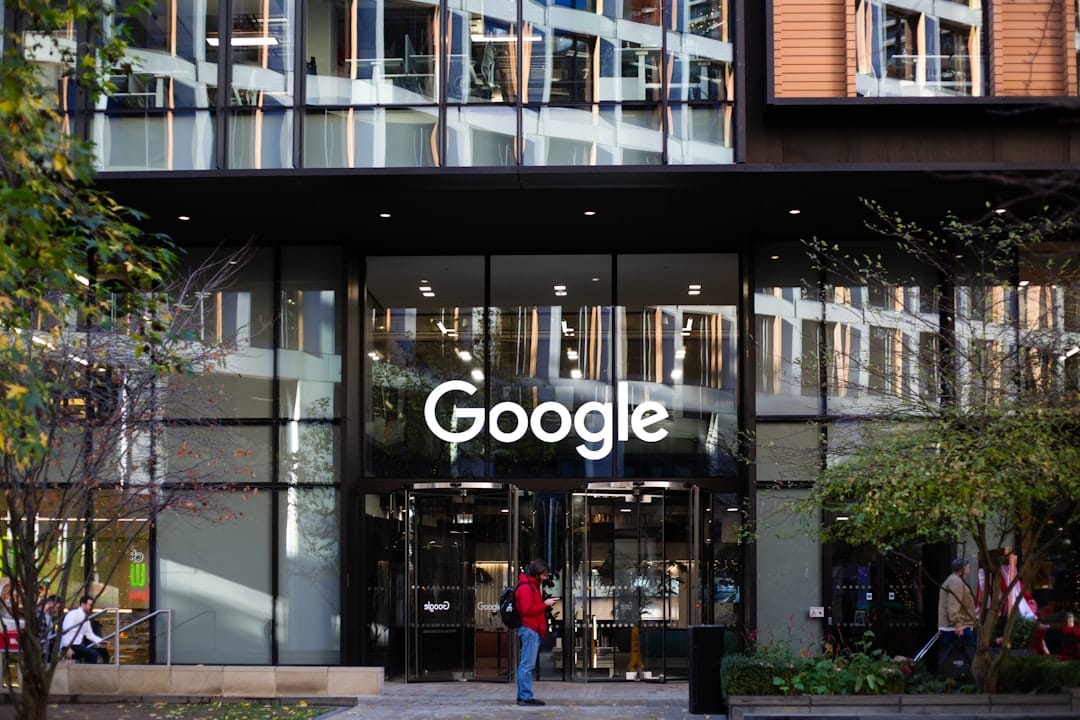
Google officially ended its 30% Play Store fee this week, reducing the standard cut to 20% and subscription fees to just 10%. They are also opening Android to third-party app stores with proper API support. This is the biggest shift in mobile app economics since the App Store launched.
The New Fee Structure
The 30% platform tax that seemed immutable is crumbling. Google is implementing a tiered structure that significantly reduces costs for most developers.
The standard rate drops from 30% to 20%. For a $10 purchase, you now keep $8 instead of $7. That extra dollar per transaction adds up quickly at scale.
Subscription fees drop to 10% after the first year. For subscription businesses, this is transformative. A developer with $100,000 in monthly subscription revenue will now pay $10,000 instead of $30,000. That is $240,000 per year in additional revenue.
The App Experience program offers an even lower 15% rate for developers who meet certain quality and engagement criteria. This rewards developers who invest in their apps and maintain high standards.
Third-Party App Stores
The fee reduction is significant, but the third-party app store support may be more consequential long-term. Google is officially supporting alternative distribution channels with proper APIs.
This means specialized stores for specific verticals. A store just for productivity apps. A store for educational software. A store for enterprise tools. Each can offer curated experiences for their specific audiences.
It also means regional stores with better local payment options. Developers can reach markets where Google Play's payment infrastructure is limited.
Most importantly, it means direct relationships with customers. Developers can sell outside the Play Store and keep 100% of revenue. The platform tax becomes optional rather than mandatory.
What About iOS?
Apple's App Store policies remain largely unchanged. They still charge 30% for most transactions and maintain tight control over distribution. This creates a fascinating competitive dynamic.
Android has market share advantages globally. It dominates in emerging markets and offers more flexibility. But iOS has dominated developer mindshare because it was more profitable per user.
If Google successfully courts developers with better economics while Apple clings to 30%, we might see a genuine shift. High-quality apps may launch on Android first. Exclusive deals may favor Google Play. The platform dynamics could flip.
What Developers Should Do
Review your pricing strategy. With lower fees, you have more margin to work with. Consider lowering prices to gain market share, or keep prices the same and improve profitability.
Explore alternative distribution. Third-party stores and direct sales are now viable options. Do the math on whether the reach of Play Store justifies the fee compared to other channels.
Apply for the App Experience program if you qualify. The 15% rate is worth pursuing if you meet the criteria.
The Bottom Line
This is the biggest shift in mobile app economics since 2008. The 30% platform tax that seemed immovable is crumbling. Developers have more options, better economics, and more control. The next few years will reshape the mobile app landscape dramatically.