Ransomware Gang Now Targeting NAS Devices — Your Backups Aren't Safe Anymore
A ransomware group started targeting NAS devices this month. Your backups aren't safe anymore.
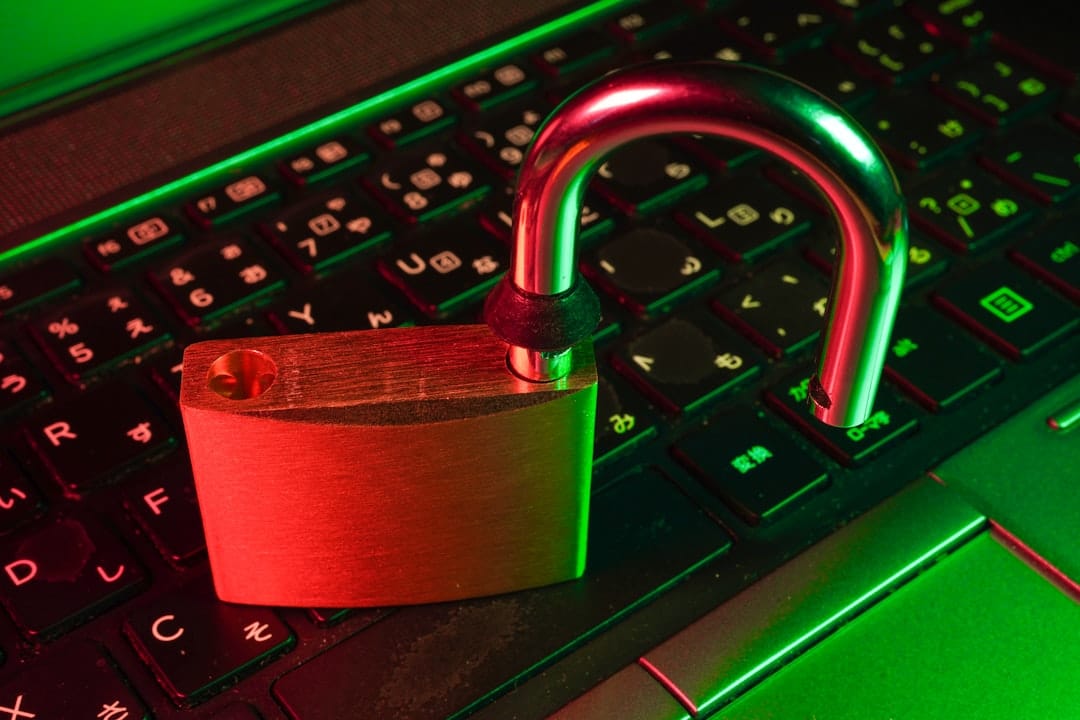
The Qilin ransomware gang has developed and deployed exploits targeting Network Attached Storage devices from QNAP and Synology. This development marks a concerning escalation in ransomware tactics and should serve as a wake-up call for anyone relying on NAS devices for backups and storage.
The Attack
Network Attached Storage devices have long been considered safe from ransomware attacks. They sit on the network, not directly exposed to the internet, storing backups and files. Many small businesses and home offices use them as their primary backup solution. The assumption was that ransomware could not reach them.
That assumption was wrong. The Qilin gang has found ways to exploit vulnerabilities in the web interfaces of QNAP and Synology devices. They target known vulnerabilities that have patches available, but which many users have not applied. Once they gain access, they encrypt all files on the device and leave a ransom note.
The particularly insidious part of this attack is that NAS devices are often backups. By encrypting the NAS, the attackers destroy your recovery option. Your primary systems are compromised. Your backups are encrypted. You have nowhere to turn except paying the ransom or accepting data loss.
Why This Matters
NAS devices were your safety net. They were the place you stored copies of everything important. The assumption was that even if your primary systems were compromised, you could restore from the NAS. That safety net has holes.
The attack vector is the web interface. Many users enable remote access to their NAS so they can access files from anywhere. This convenience comes with security costs. A web interface exposed to the internet is a target. If it has unpatched vulnerabilities, it will be found and exploited.
Even if you do not expose your NAS to the internet, it can be compromised if an attacker gains access to your internal network. Ransomware that infects a workstation can scan the network for NAS devices and attack them from inside.
What You Should Do
Patch your NAS immediately. Both QNAP and Synology have released firmware updates addressing the vulnerabilities being exploited. Check for updates and apply them. Do not wait. These vulnerabilities are being actively exploited.
Disable internet access. If you do not absolutely need remote access to your NAS, disable it. The convenience is not worth the risk. If you do need remote access, use a VPN rather than exposing the web interface directly.
Have offline backups. The 3-2-1 backup rule exists for a reason. Three copies of your data. Two different media types. One copy offsite and offline. The offline part is critical. Ransomware cannot encrypt what it cannot reach. External hard drives disconnected from the network are immune.
Enable multi-factor authentication. If your NAS supports MFA, enable it. Even if an attacker has your password, they cannot access the device without the second factor.
Monitor for unusual activity. Set up alerts for large file modifications, unusual login attempts, or unexpected network traffic. Early detection can prevent total compromise.
The Bigger Picture
This attack was inevitable. As workstations and servers have become harder to compromise, attackers have looked for softer targets. NAS devices are perfect. They are always on. They often have outdated firmware. They contain valuable data. And until now, they have not been primary ransomware targets.
The lesson is that security is never done. Every device on your network is a potential target. Every convenience feature has security implications. Assume attackers will find the weakest link and strengthen it before they do.